Basin wiki · Places
Morongo Valley
Big Morongo · Marengo Pass
The first basin town up the grade from Palm Springs: a Serrano spring, a cattle canyon, and now one of the desert’s great birding preserves.
Where the name comes from
Maps in the late 1850s marked this valley as “Marengo Pass.” It was home to the Maarrenga’, a Serrano clan.[6] When the government moved local tribes onto the reservation at Banning, the clan’s hereditary leader, known in English as John Morongo, became the reservation’s first official “captain.” The Bureau of Indian Affairs came to call the tribe the Morongo Band of Mission Indians, and the valley and the whole basin carry that name.[6] Sources disagree on when the valley’s Serrano residents were removed. A BLM brochure says 1846. California Watchable Wildlife describes a smallpox epidemic in 1862 that killed more than half the valley’s Native population before survivors were moved. A county cultural-resources memo dates the relocations to 1876.[2][8][6] What they agree on is that the canyon was a long-lived Serrano home. An archaeological site there of more than 10 acres holds bedrock mortars, pottery, and projectile points.[10]
Why there is water here
Runoff from the surrounding mountains soaks into the sand of the basin. Where the Morongo Fault crosses the canyon, a layer of finely ground rock called fault gouge blocks the flow underground and pushes the water up into a string of year-round springs.[2] The result is Big Morongo Creek and one of the largest cottonwood and willow woodlands in the California desert.[8]
Ranchers and small tracts
Hans Frederick Briand de Crevecoeur brought his family and livestock into the valley in 1873. Grazing was good, and cattle and sheep ranchers followed.[4] Homesteading peaked in the early 1930s, and since then the valley has been mostly residential, attracting many retirees.[5] The canyon passed from rancher to rancher until 1968.[1] In 1958 residents formed the Morongo Valley Community Services District to run fire protection, street lighting, and a five-acre park.[4] The district still runs Covington Park on Vale Drive, with a playground, skatepark, tennis courts, and picnic areas.[7]
Big Morongo Canyon Preserve
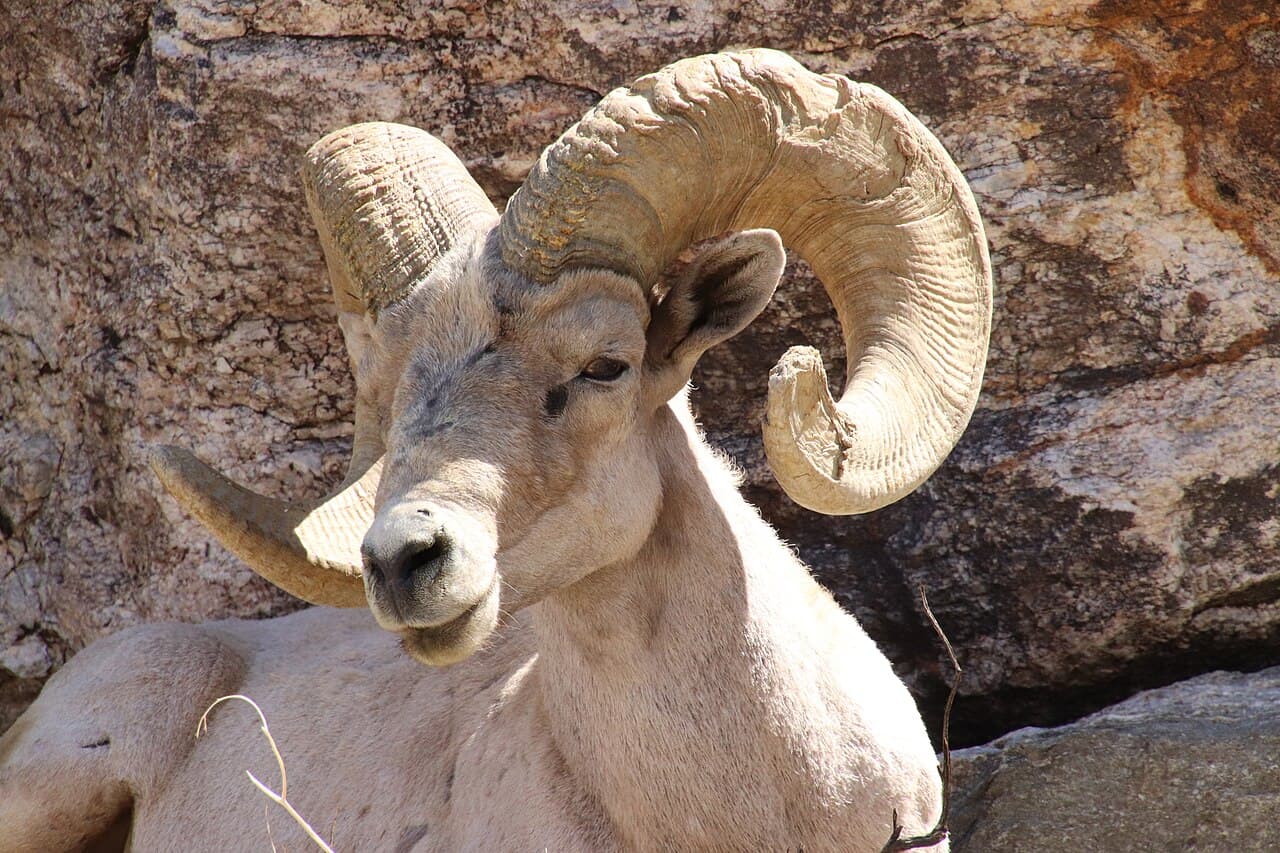
In 1968 The Nature Conservancy bought 80 acres from J. L. Covington, and the county soon added 160 acres next to it. The combined 240 acres were dedicated as a wildlife preserve in 1974, and in 1982 the BLM designated the surrounding ridge and canyon an Area of Critical Environmental Concern.[1] The county now describes the preserve as about 30,000 acres. More than 247 bird species have been recorded there, and it serves as a corridor for bighorn sheep, mule deer, and mountain lions between Joshua Tree and the San Bernardino Mountains.[3] Admission is free. Dogs are not allowed, even on a leash.[3]
Fire and jurisdiction
The 2005 Paradise Fire burned about 6,000 acres and seven homes and damaged preserve boardwalks, which have since been repaired. The 2006 Sawtooth Complex fire swept through Pioneertown and the Big Morongo area.[9] Morongo Valley is unincorporated. The county handles planning, roads, and the sheriff, and the Community Services District handles the local pieces.[5][9] The Riverside County line is just to the south, so confirm which county an address is in before you call anyone.[9]